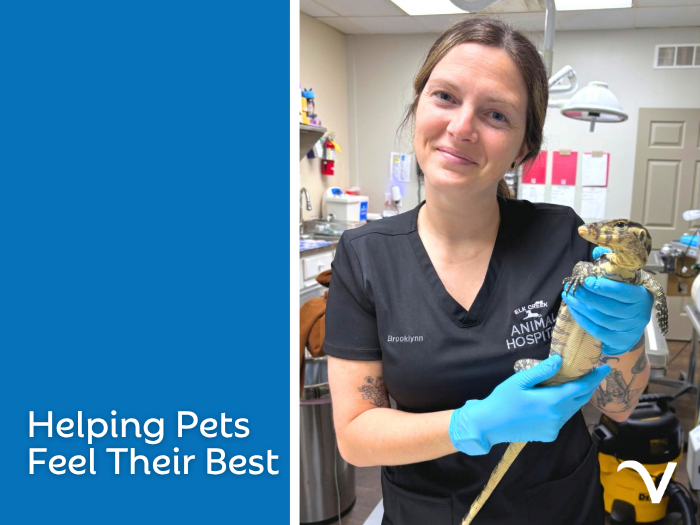
National Veterinary Technician Week: Celebrating the Hands Behind the Healing
October 21, 2026
National Veterinary Technician Week takes place October 18–24, 2026. Held each year during the third week of October, it recognizes the veterinary technicians and veterinary assistants who make high-quality pet care possible.
At Vetcor, we see their impact in our hospitals day in and day out. Vet techs and assistants support patients, clients, veterinarians, and teammates alike. This week, we want to share what they do, why it matters, and how they help our veterinary teams thrive.
What Do Veterinary Technicians and Assistants Do?
Veterinary technicians and assistants are the clinical backbone of a veterinary hospital. Clients often see them only during appointments, but much of their work happens behind the scenes.
On any given day, a vet tech or assistant might:
- Take patient histories and vital signs
- Collect samples and run lab tests
- Take and process radiographs
- Prepare patients for surgery and monitor anesthesia
- Administer medications and treatments
- Provide dental cleanings and nursing care
- Educate pet owners on home care, nutrition, and prevention
- Comfort anxious pets and reassure worried families
Every contribution creates a ripple effect. A technician's attention to detail can help catch a health concern sooner. A calm conversation can help a client feel confident about their pet's care. A willingness to mentor a teammate can strengthen an entire hospital.
An Impact That Doesn't Go Unnoticed
Growth, dedication, and a commitment to learning strengthen both patient care and the employee experience. At Vetcor hospitals, teammates regularly recognize the technicians and assistants who make a difference.
When acknowledging veterinary assistant Austin, Sarah Brown of SAVC shared:
"Austin has been part of the SAVC team for a year and a half, and during that time he has continued to grow and take on new challenges. Our clients and team absolutely adore Austin, and he has become such a valuable member of our team."
Technicians are often the ones who step in to help, share their knowledge, and keep things moving when the day gets busy. Hospital Manager Katelin Arrellin praised Lead Technician Ari's leadership at West Phoenix Animal Hospital:
"She is such an amazing person and plays a huge role in keeping our workflow running smoothly, even on our busiest days. Thank you for always being someone the team can rely on."
Throughout our hospitals, teams recognize the vital role veterinary technicians and assistants play. Whether they are monitoring patients, administering treatments, educating clients, or lending a hand when it's needed most, vet techs and assistants help their hospitals run smoothly.
Great Veterinary Care Is a Team Effort
Excellent patient care depends on collaboration. Technicians and assistants work alongside veterinarians, client service representatives, kennel attendants, hospital managers, and many others to support pets and their families. Each role matters, and vet techs are a critical part of that care team.
What Makes a Great Place to Work in Veterinary Medicine?
For veterinary technicians and assistants, the best workplaces share a few things in common:
- A culture of recognition. Teammates notice and celebrate each other's contributions, like the shout-outs above.
- Room to grow. Clear paths to advance from assistant to credentialed technician to lead technician and beyond.
- Continuing education. Access to training and CE that keeps skills sharp and opens new specialties.
- Mentorship. Experienced team members who invest in newer teammates.
- Collaborative teams. Veterinarians and support staff who treat technicians as essential partners in care.
- Support for well-being. Workflows and leadership that help teams manage busy days sustainably.
Our hospitals are built around those values. We offer annual continuing education benefits, comprehensive mental health support, and collaboration through TechLife, a community connecting team members across hundreds of Vetcor hospitals in the U.S. and Canada, so technicians and assistants have room to grow their careers and thrive in veterinary medicine.
Frequently Asked Questions About Veterinary Technicians
When is National Veterinary Technician Week?
National Veterinary Technician Week is held the third week of October each year. In 2026, it runs October 18–24, and in 2027 it will be observed October 17-23. It is sponsored by the National Association of Veterinary Technicians in America (NAVTA).
What is the difference between a veterinary technician and a veterinary assistant?
A veterinary technician typically completes an accredited veterinary technology program and passes a credentialing exam. Vet techs can perform advanced clinical tasks like anesthesia monitoring and dental cleanings. A veterinary assistant supports the care team with patient handling, kennel care, and basic clinical tasks, and does not need the same credential. Both are vital to hospital teams.
How do you become a veterinary technician?
Most vet techs earn a two-year associate degree from an AVMA-accredited program, then pass the Veterinary Technician National Examination (VTNE). Requirements vary by state, so check your state's credentialing rules.
What makes a veterinary hospital a good place to work?
The best places to work in veterinary care offer recognition, career growth, continuing education, mentorship, and a collaborative team culture where technicians are valued as partners in patient care.
Thank You, Veterinary Technicians and Assistants
To every veterinary technician and assistant thank you for your expertise, your compassion, and your dedication to learning. Thank you for the countless ways you support your patients, clients, and teammates. Your work makes a lasting difference.
If you are a pet owner, consider thanking the technicians and assistants at your pet's hospital. A note, a kind word, or a review naming them goes a long way.
Vet techs and assistants: looking for a team that recognizes your impact and invests in your growth? Explore veterinary technician careers at Vetcor.